
12 Best Indoor Plants for Home & Office in Kathmandu
Discover the 12 best indoor plants for homes and offices in Kathmandu — low-maintenance picks with care tips and styling ideas.
- indoor
- Kathmandu
- home
- office
- low-maintenance
- buying-guide
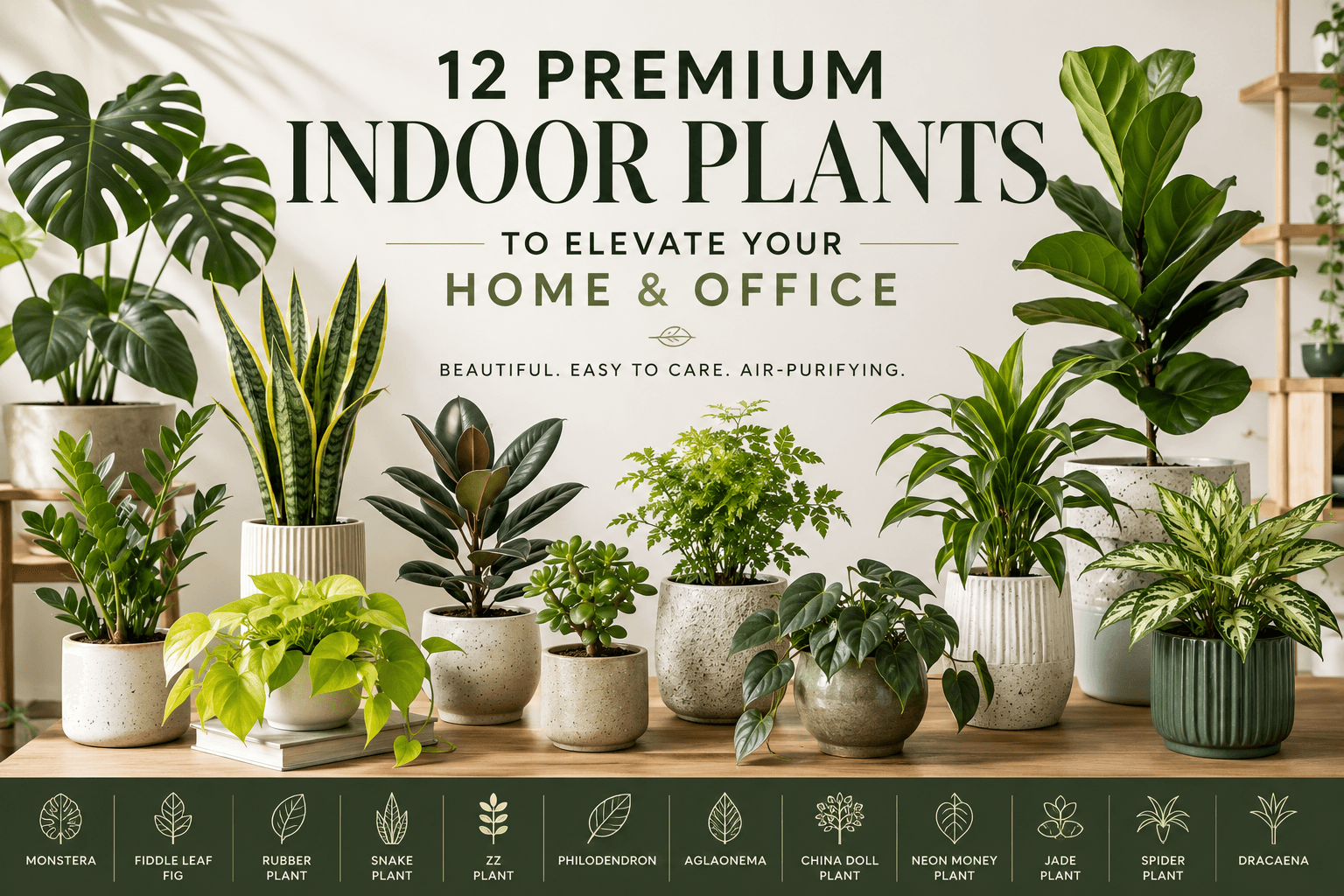
Indoor plants are more than decoration. The right plant can transform an empty corner, soften harsh lines, and bring a calm, natural rhythm into your home or office. From dramatic tropical foliage to elegant, easy-care greenery, these twelve premium picks suit different interiors, lifestyles, and light levels.
Whether you are styling a bright living room, a compact apartment, or a professional workspace, this guide helps you choose indoor plants in Kathmandu that look intentional — not accidental.
12 premium indoor plants worth bringing into your space
 01
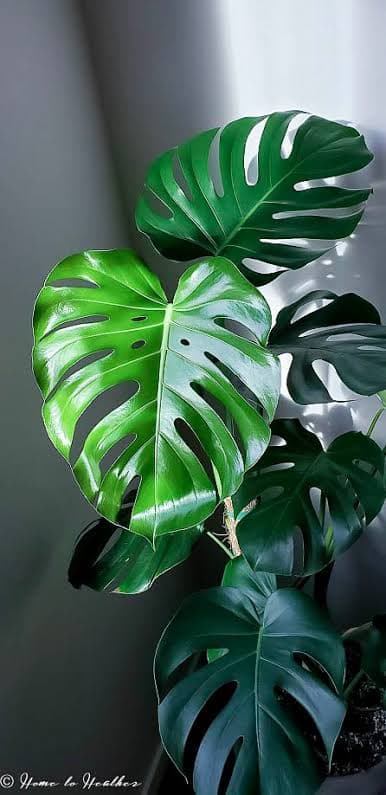
01Monstera
Monstera deliciosa
The Monstera is a true statement plant, loved for its large green leaves and distinctive natural splits. Its bold tropical appearance instantly adds character to modern interiors and pairs beautifully with neutral walls and natural wood.
- Bold foliage
- Tropical look
- Statement-making
- Light
- Bright, indirect light — avoid harsh afternoon sun on leaves
- Water
- Allow the upper layer of soil to dry before watering; reduce in winter
- Best for
- Living rooms, offices, and spacious corners with good ambient light
Styling tip: Place a large Monstera in a simple ceramic or terracotta pot to create a striking focal point beside a sofa or entryway.
 02
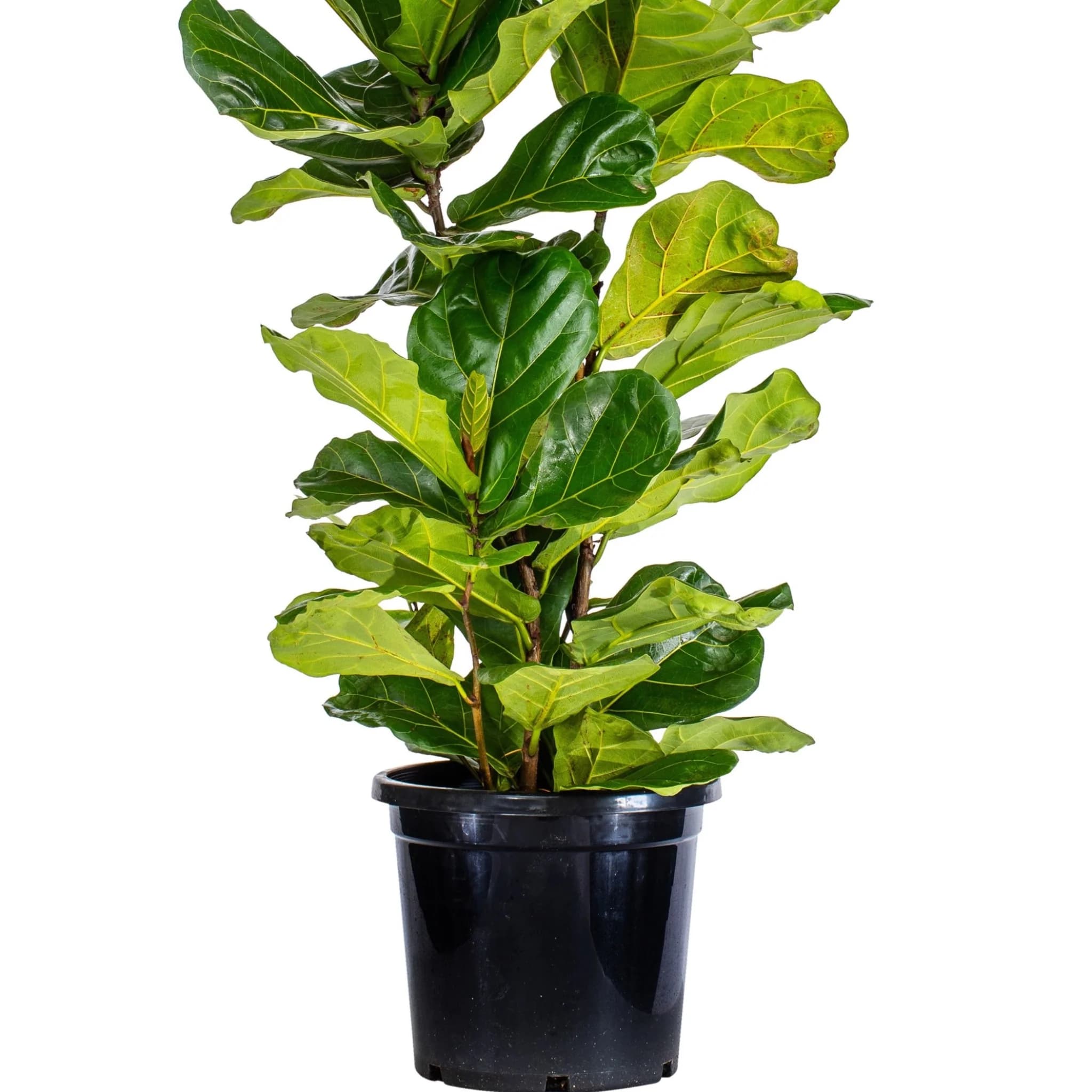
02Fiddle Leaf Fig
Ficus lyrata
The Fiddle Leaf Fig brings an elegant, architectural feel to indoor spaces. Its large, violin-shaped leaves create height and structure — ideal when you want one plant to define a room rather than fill it with clutter.
- Elegant foliage
- Tall growth
- Premium appearance
- Light
- Bright, filtered light; consistent light helps prevent leaf drop
- Water
- Water when the top 2–3 cm of soil feels dry; never let it sit in water
- Best for
- Bright living rooms, studio offices, and corners with a tall ceiling
Styling tip: Position it beside a window or sofa to add vertical interest. Rotate the pot monthly so growth stays balanced.
 03
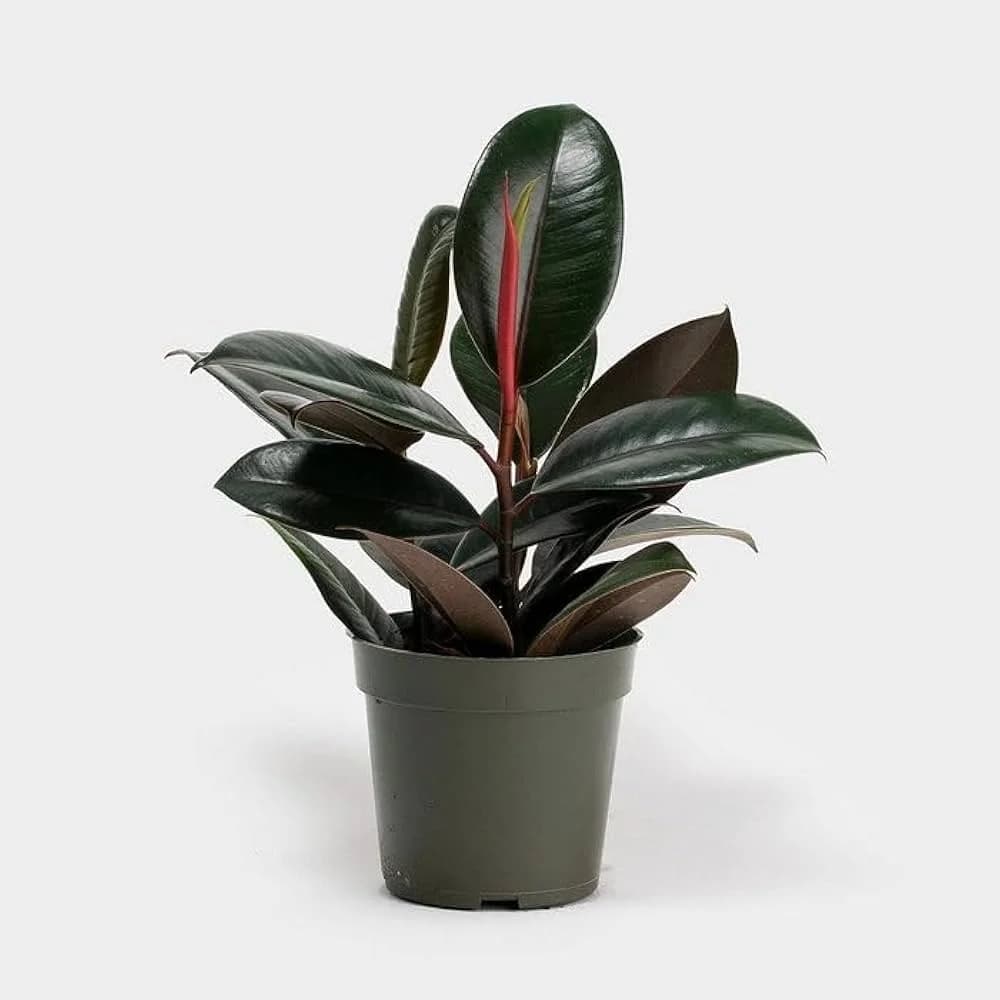
03Rubber Plant
Ficus elastica
The Rubber Plant combines glossy foliage with a classic, sophisticated appearance. Its broad leaves bring richness and depth to an interior without demanding constant attention — a reliable choice for busy households.
- Glossy leaves
- Strong structure
- Timeless style
- Light
- Medium to bright indirect light; tolerates slightly lower light than fiddle leaf
- Water
- Allow the soil to become slightly dry between waterings
- Best for
- Living rooms, offices, entrance areas, and reception desks
Styling tip: Wipe leaves occasionally with a damp cloth to keep the glossy surface clean and vibrant.
 04
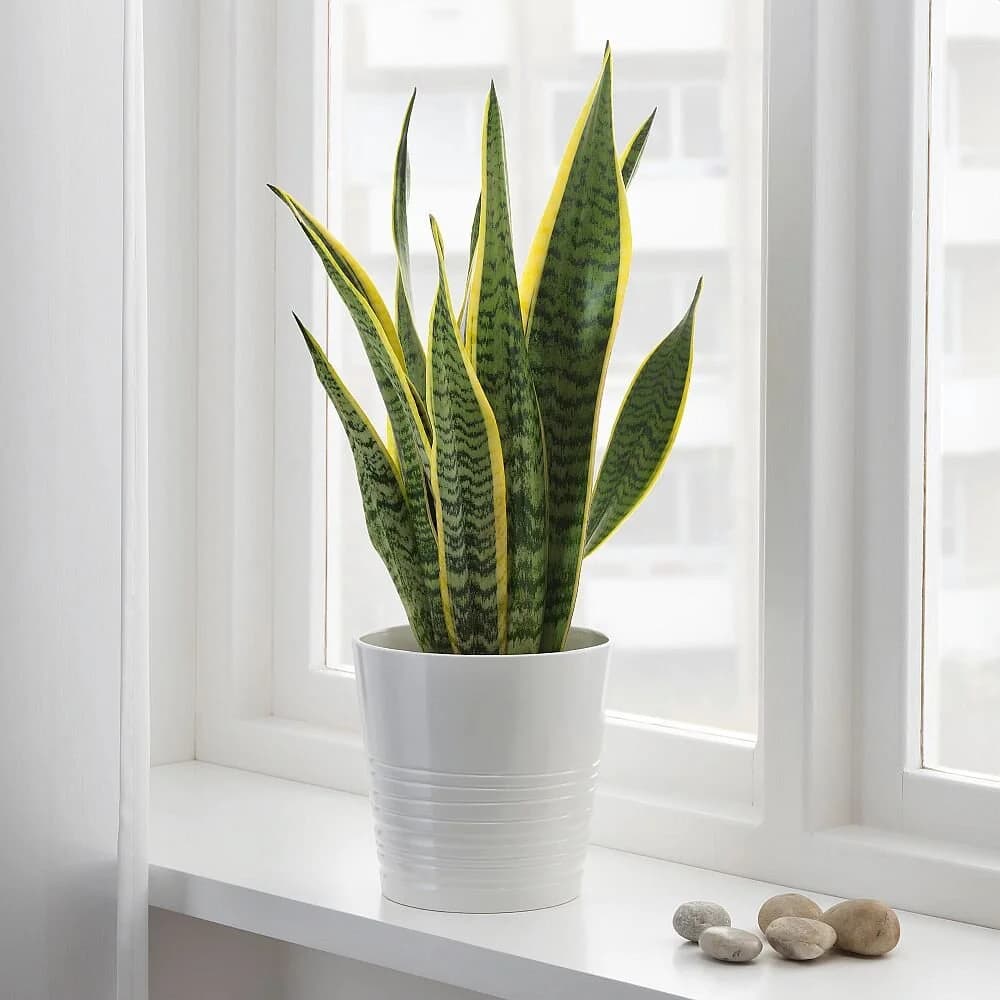
04Snake Plant
Sansevieria trifasciata
The Snake Plant is perfect for clean, modern interiors. Its tall, upright leaves create a strong vertical shape while its forgiving nature makes it one of the most practical indoor choices — especially in Kathmandu apartments with variable light.
- Modern shape
- Space-saving
- Easy to maintain
- Light
- Low to bright indirect light; one of the best low-light performers
- Water
- Allow the soil to dry between waterings; overwatering is the main risk
- Best for
- Bedrooms, offices, hallways, and compact apartments
Styling tip: A tall Snake Plant looks especially elegant in narrow corners or beside furniture where floor space is limited.
 05
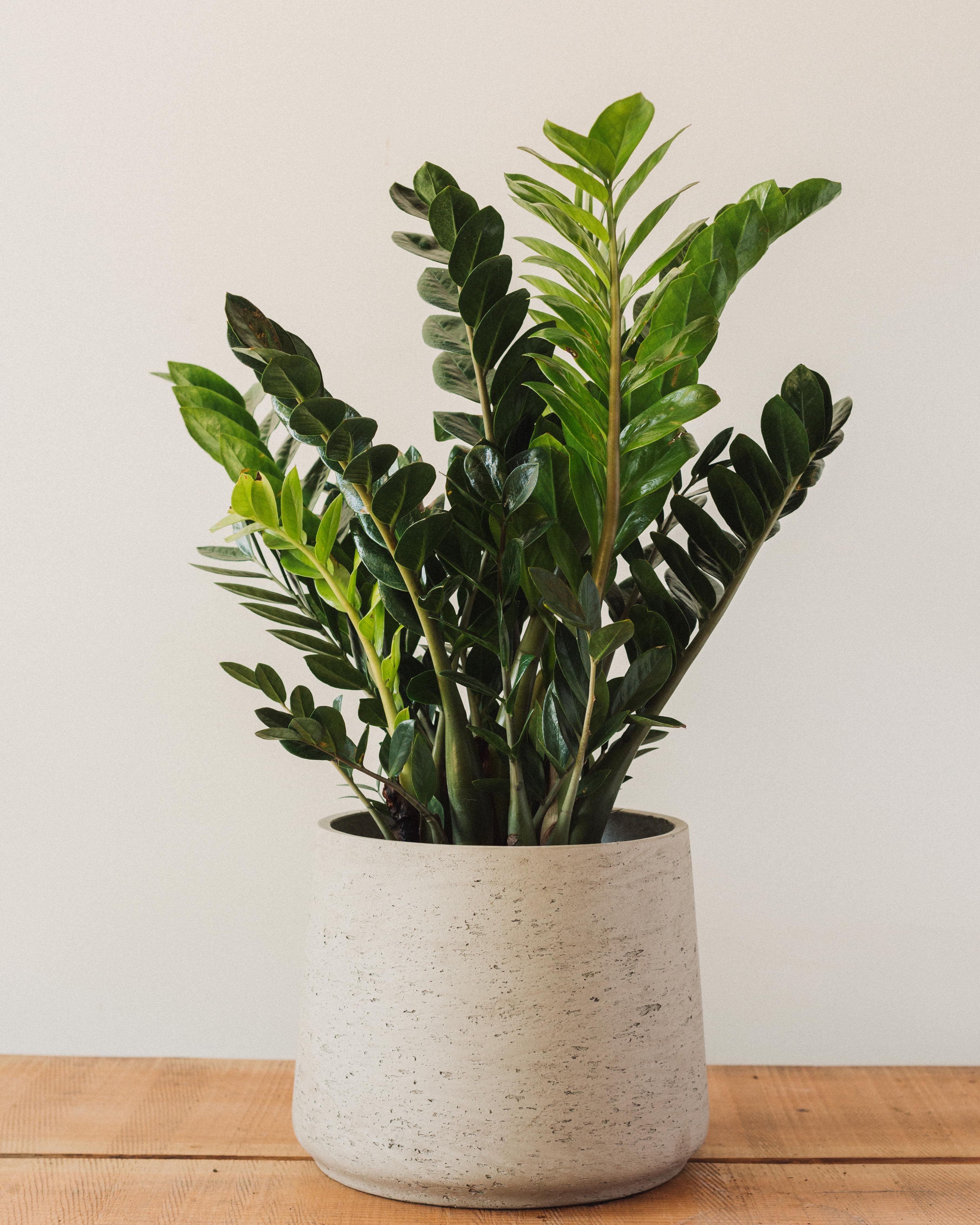
05ZZ Plant
Zamioculcas zamiifolia
The ZZ Plant is admired for its naturally glossy leaves and resilient nature. Its polished appearance makes it a beautiful addition to contemporary interiors — and it stays looking fresh even when watering schedules slip.
- Glossy foliage
- Resilient
- Low-maintenance
- Light
- Low to bright indirect light; thrives in offices and bedrooms
- Water
- Allow the soil to dry sufficiently between watering; less is more
- Best for
- Offices, bedrooms, and lower-light spaces away from direct sun
Styling tip: Group a ZZ with a snake plant for a sculptural, low-care pairing in a dim hallway.
 06
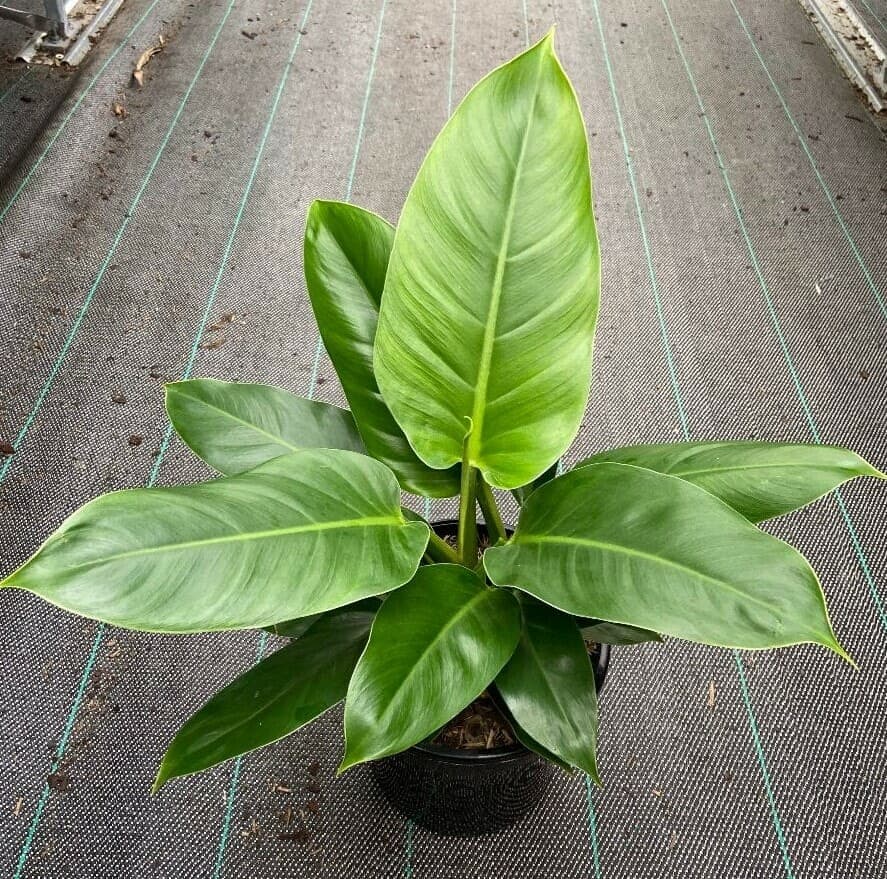
06Philodendron
Philodendron spp.
Philodendron plants come in a wide range of leaf shapes, sizes, and growth habits. From bushy tabletop varieties to trailing vines, they adapt to shelves, desks, and plant stands — one of the most versatile indoor genera for layered greenery.
- Versatile
- Tropical
- Beautiful foliage
- Light
- Low to bright indirect light, depending on variety
- Water
- Water when the upper soil begins to dry; trailing types prefer slightly more moisture
- Best for
- Shelves, desks, plant stands, and living room corners
Styling tip: Allow trailing varieties to cascade naturally from shelves for a relaxed, botanical look.
 07
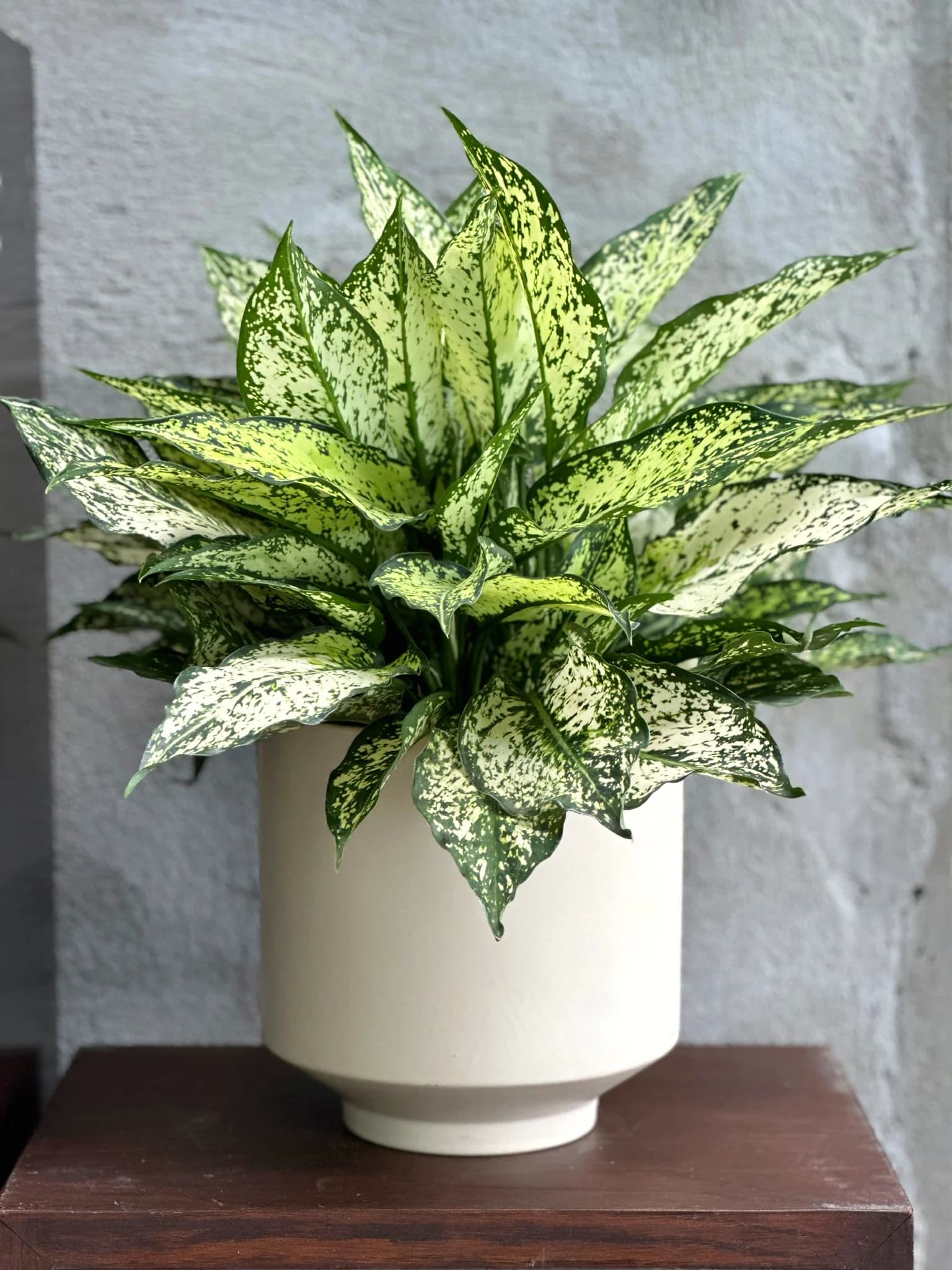
07Aglaonema
Aglaonema commutatum
Also known as Chinese Evergreen, Aglaonema is valued for its attractive foliage and adaptability. Varieties feature green, silver, cream, and patterned leaves — a subtle way to add color without flowers.
- Decorative foliage
- Compact
- Adaptable
- Light
- Low to medium indirect light; avoid cold drafts near windows in winter
- Water
- Allow the upper soil to dry slightly before watering
- Best for
- Bedrooms, offices, and indoor corners with soft light
Styling tip: Choose a silver- or pink-tinted variety to complement cream or grey interior palettes.
 08
08China Doll Plant
Radermachera sinica
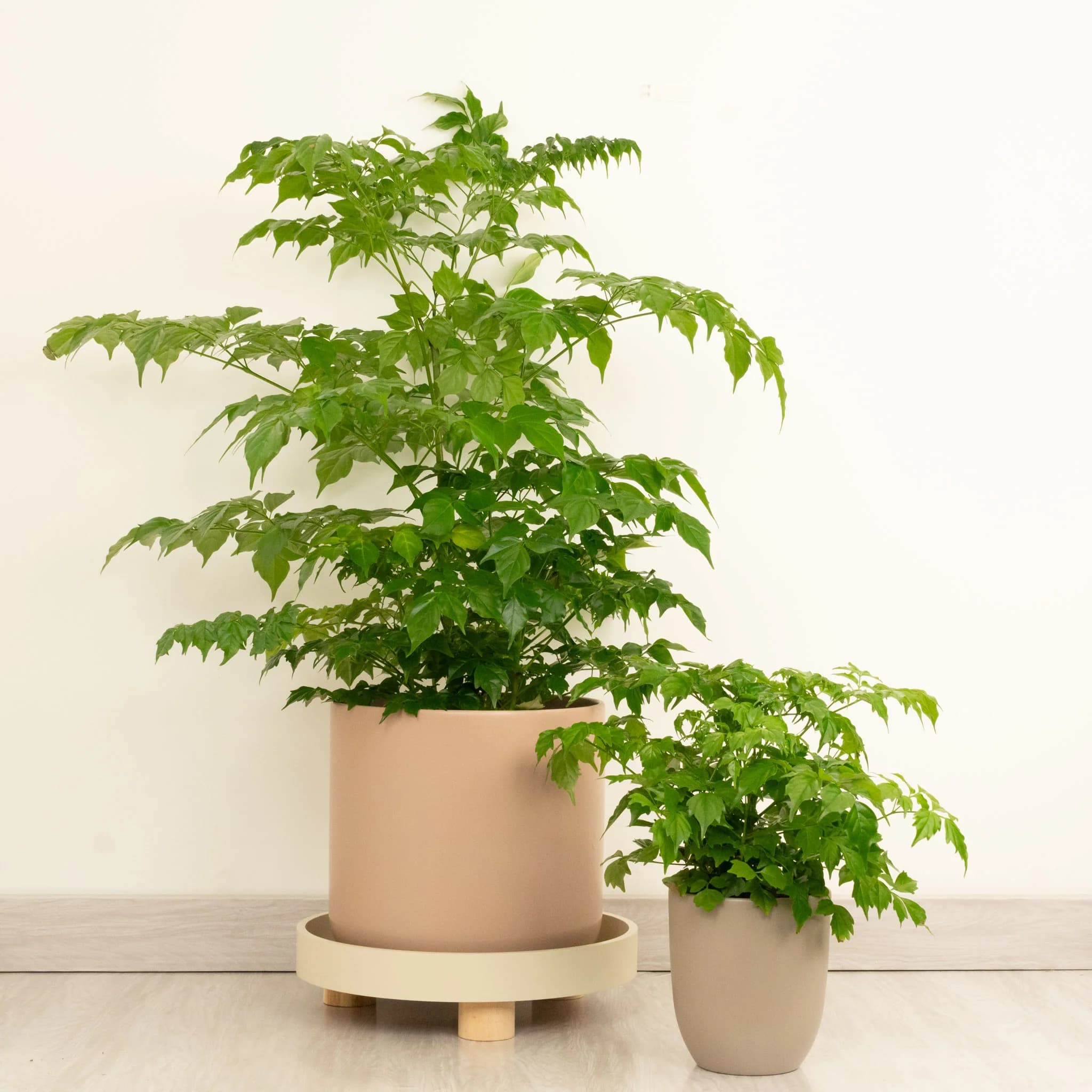
The China Doll Plant has delicate, glossy foliage that creates a soft and sophisticated appearance. Its finely divided leaves give it a lush, elegant look — less common than snake or money plants, so it feels distinctly curated.
- Fine foliage
- Bushy growth
- Sophisticated look
- Light
- Bright, indirect light; needs more light than snake or ZZ plants
- Water
- Water when the upper layer of soil begins to dry; keep humidity moderate
- Best for
- Living rooms, offices, and bright indoor spaces
Styling tip: Its fuller growth makes it excellent for adding volume to an otherwise empty area beside a bookshelf.
 09
09Neon Money Plant
Epipremnum aureum 'Neon'
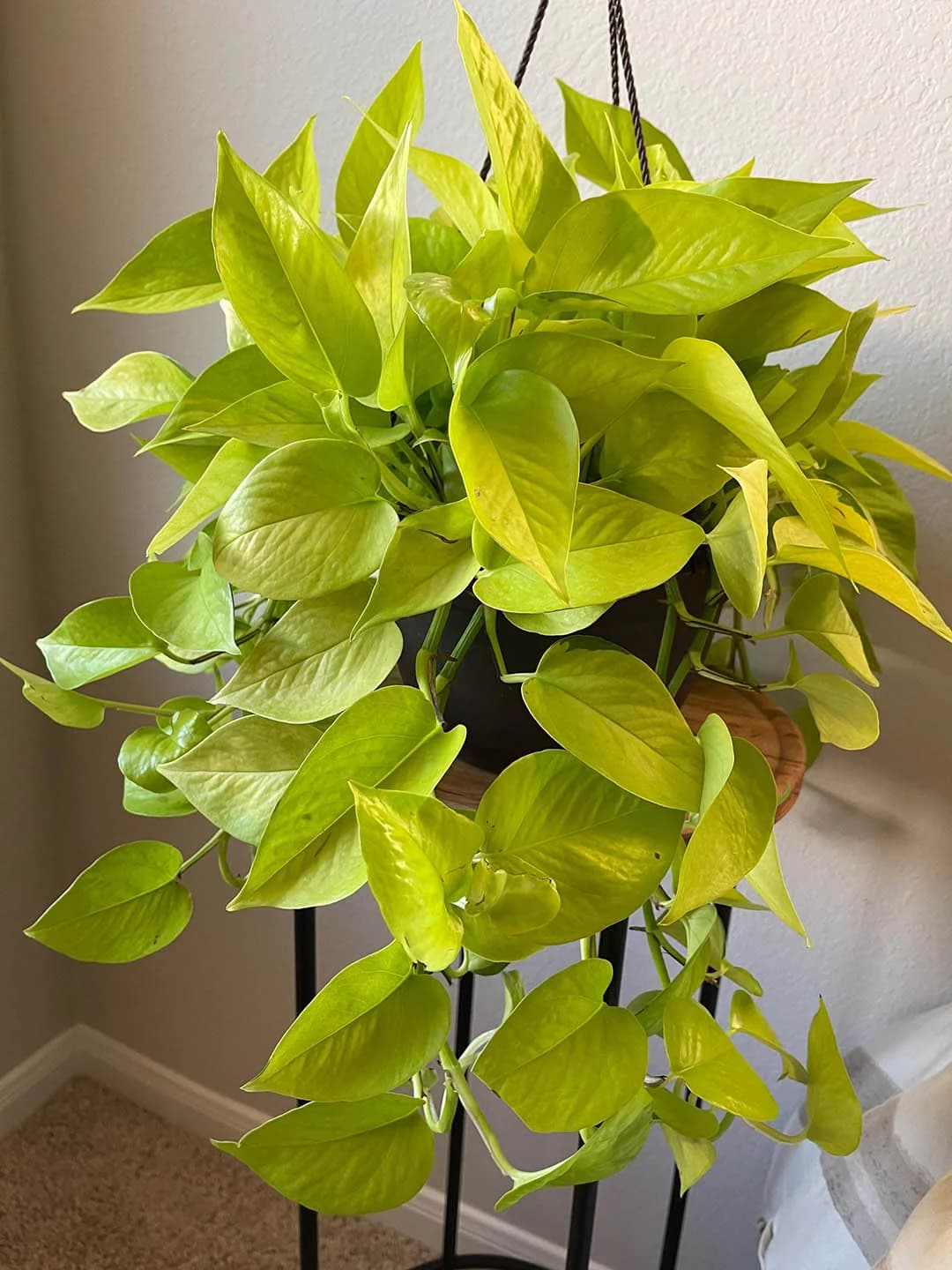
The Neon Money Plant is perfect for adding a vibrant splash of color indoors. Its bright yellow-green, heart-shaped leaves create an eye-catching contrast against neutral walls and white ceramics — instant energy without repainting.
- Vibrant color
- Trailing growth
- Modern look
- Light
- Bright, indirect light; color fades in very low light
- Water
- Allow the soil to partially dry between watering
- Best for
- Desks, shelves, hanging planters, and modern interiors
Styling tip: Place it in a simple white or neutral pot so the bright foliage becomes the hero of the display.
 10
10Jade Plant
Crassula ovata
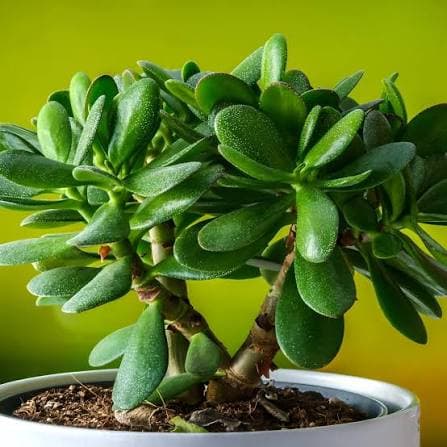
The Jade Plant is a charming succulent with thick, fleshy leaves and sturdy stems. As it matures, it develops a miniature tree-like form — symbolic of prosperity in many cultures and a lovely gift plant.
- Compact
- Distinctive foliage
- Classic succulent
- Light
- Bright light; a sunny windowsill is ideal when available
- Water
- Allow the soil to dry between watering; succulents store moisture in leaves
- Best for
- Windowsills, desks, and bright rooms
Styling tip: Pair with terracotta for a warm, earthy look that suits valley homes year-round.
 11
11Spider Plant
Chlorophytum comosum
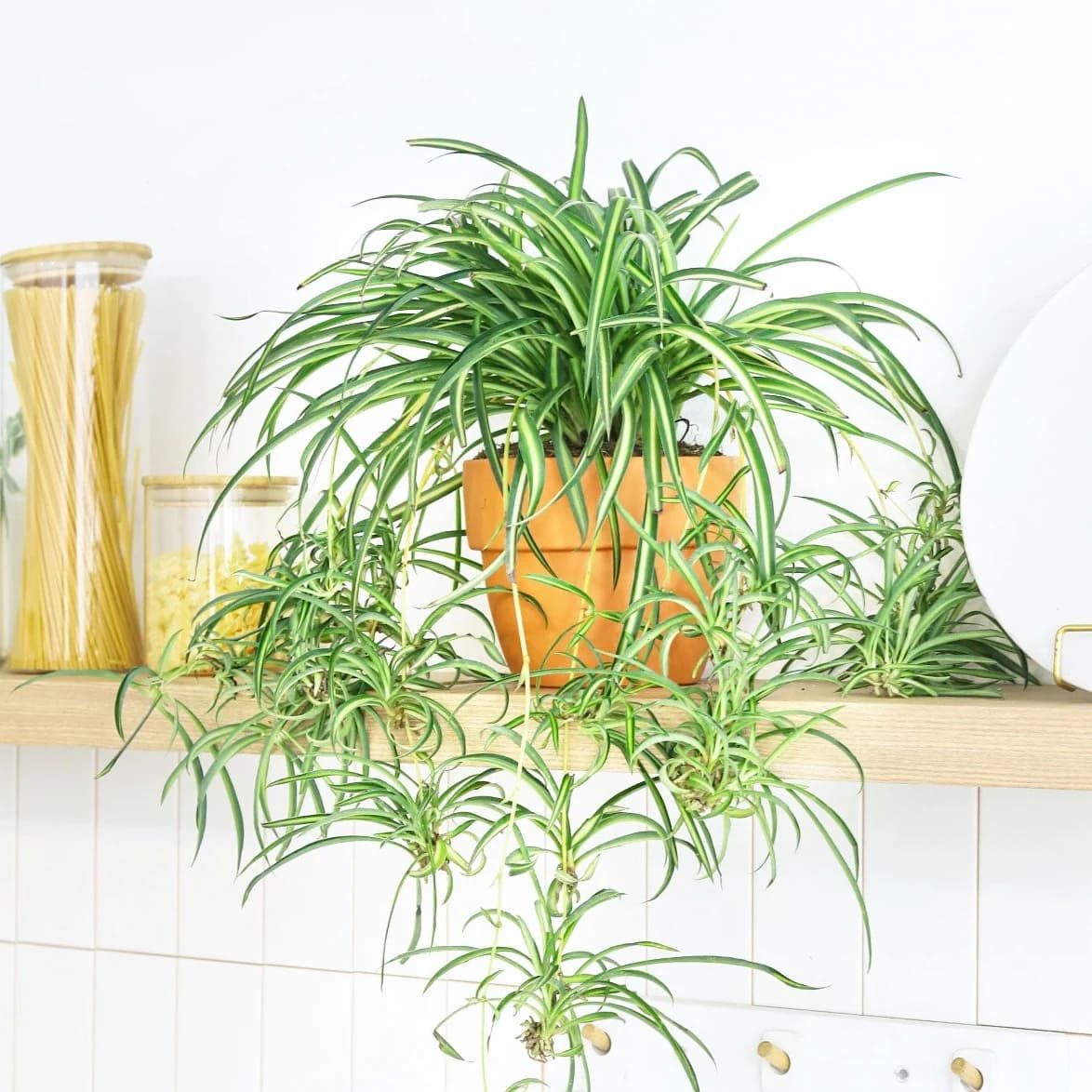
The Spider Plant features long, arching leaves that create a graceful cascading effect. It is especially attractive when displayed at an elevated position and produces small plantlets that can be propagated for gifts.
- Graceful foliage
- Cascading growth
- Versatile
- Light
- Bright, indirect or moderate light
- Water
- Water when the soil begins to dry; sensitive to fluoride in tap water — rainwater is ideal
- Best for
- Hanging baskets, shelves, and bedrooms
Styling tip: Hang near a window where the arching leaves can move freely without brushing walls.
 12
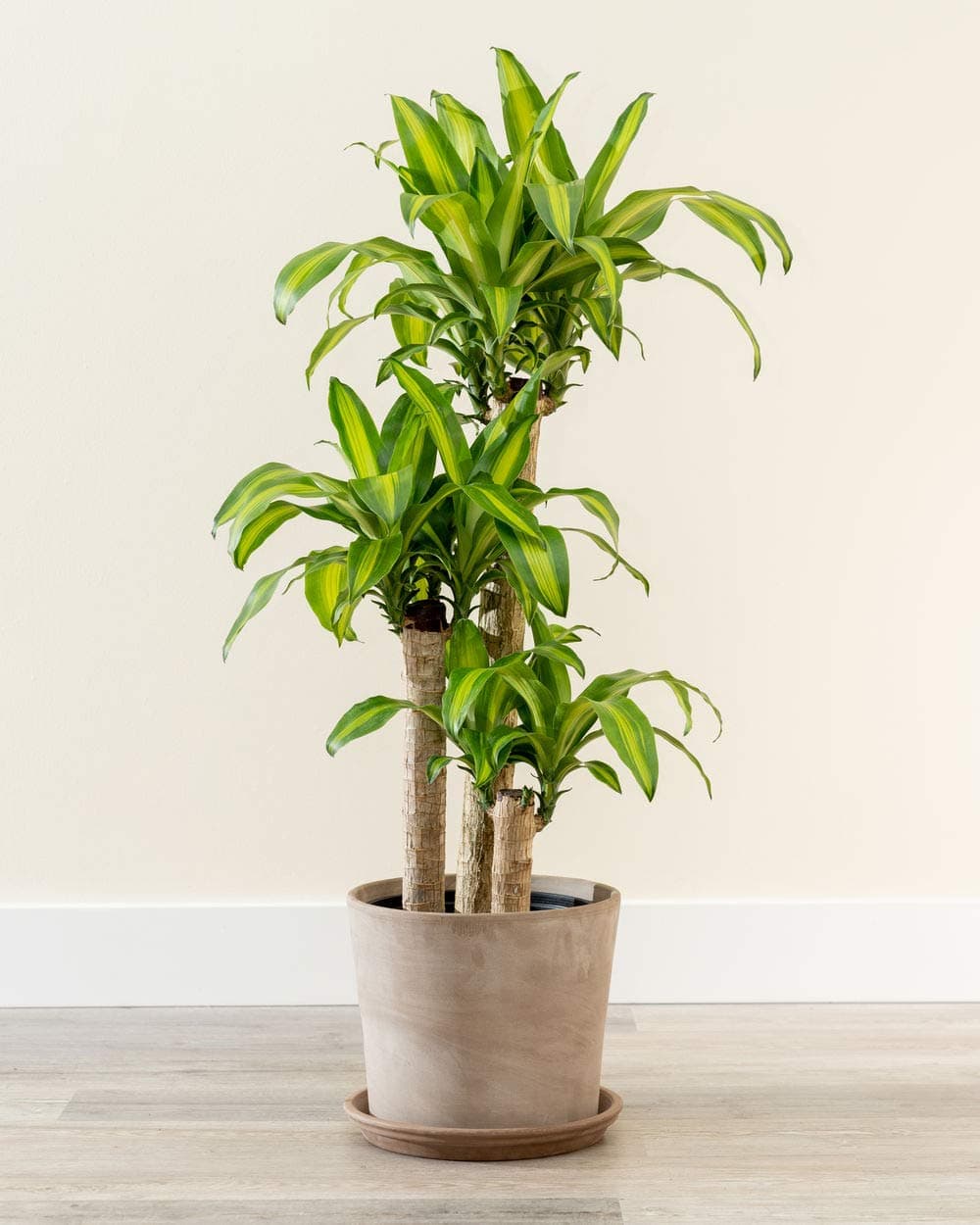
12Dracaena
Dracaena spp.
Dracaena is a versatile indoor plant known for its upright form and attractive foliage. Its architectural shape makes it a natural fit for contemporary homes and professional spaces where you want height without a wide footprint.
- Upright growth
- Architectural form
- Contemporary style
- Light
- Medium to bright indirect light, depending on variety
- Water
- Allow the soil to dry slightly between watering
- Best for
- Offices, living rooms, and entrance areas
Styling tip: Use a tall Dracaena to frame a doorway or soften the corner of a large open-plan room.
Best Indoor Plants for Low-Light Rooms
Not every room in a Kathmandu apartment gets strong daylight. For dim hallways, bedrooms away from the window, or offices with limited sun, choose Snake Plant, ZZ Plant, Aglaonema, and Dracaena. These low maintenance indoor plants stay green with softer light and less frequent watering.
Avoid placing sun-loving plants like Fiddle Leaf Fig or Jade in the darkest corners — they will stretch or drop leaves. If a room is truly dim, start with Snake Plant or ZZ Plant first.
Best Indoor Plants for Offices
Offices need plants that look tidy, survive inconsistent watering, and fit desks or reception corners. Snake Plant, ZZ Plant, Rubber Plant, Aglaonema, and Dracaena are reliable indoor plants for office spaces. They keep a professional silhouette and tolerate air-conditioning better than many tropical foliage plants.
For a desk, pick a compact Snake Plant or Aglaonema. For a lobby or meeting-room corner, a taller Rubber Plant or Dracaena makes a stronger first impression.
Best Indoor Plants for Kathmandu Homes
Valley homes vary from bright south-facing rooms to cooler, softer-light spaces. For everyday living rooms and bedrooms, Monstera, Rubber Plant, Aglaonema, Jade Plant, and Spider Plant are some of the best indoor plants in Kathmandu. Together they cover statement foliage, glossy structure, soft color, sunny windowsills, and hanging displays.
Browse the full indoor plants collection if you want more sizes, varieties, and gift-ready options for home delivery across the valley.
How to choose the right indoor plant
Choosing a beautiful plant is only the first step. To keep your indoor greenery looking its best in Kathmandu homes, consider these three factors before you buy.
1. Check the light
Look at how much natural light reaches the spot where you want to place your plant. Bright rooms suit Monstera, Fiddle Leaf Fig, and Jade Plant. Snake Plant and ZZ Plant work well in areas with less light.
2. Understand your watering routine
Every plant has different watering needs. Overwatering is the most common mistake indoors. Check soil with your finger and allow drying to the appropriate level before watering again — especially during cooler months.
3. Match the plant to your space
Think about room size and style before you choose pot size.
- Large spaces: Monstera, Fiddle Leaf Fig, and Rubber Plant
- Small spaces: Jade Plant and Aglaonema
- Shelves and desks: Philodendron and Neon Money Plant
- Corners: Snake Plant and Dracaena
- Hanging displays: Spider Plant and Neon Money Plant
Frequently Asked Questions About Indoor Plants
What are the best indoor plants for Kathmandu homes?
Monstera, Rubber Plant, Aglaonema, Jade Plant, and Spider Plant are excellent choices for Kathmandu homes. They handle typical valley light levels well and stay attractive year-round with basic care. Match the plant to your room’s brightness before you buy.
Which indoor plants need the least maintenance?
Snake Plant, ZZ Plant, and Aglaonema are among the most forgiving indoor plants. They tolerate missed waterings better than most tropical foliage and still look polished. Start with these if you want greenery without a strict care routine.
What are the best indoor plants for offices?
Snake Plant, ZZ Plant, Rubber Plant, Aglaonema, and Dracaena suit office desks and reception areas. They stay upright, look professional, and cope with fluorescent light and busy schedules. Choose compact sizes for desks and taller forms for corners.
Which indoor plants can grow in low light?
Snake Plant, ZZ Plant, Aglaonema, and Dracaena perform well in low-light rooms. Avoid placing sun-loving plants like Fiddle Leaf Fig or Jade in dim corners. If a space gets almost no daylight, rotate plants to a brighter room weekly when you can.
How often should indoor plants be watered?
Most indoor plants prefer watering only when the top layer of soil feels dry — often every 7–14 days in Kathmandu, less in winter. Overwatering is the most common cause of leaf yellowing and root problems. Always check soil with your finger instead of following a fixed calendar. For a deeper guide, see how often to water indoor plants in Kathmandu.
Ready to buy indoor plants in Kathmandu?
Looking for indoor plants in Kathmandu? Explore Milan Nursery’s collection of healthy indoor plants, or contact us for help choosing the right plant for your home or office.
Choose your plant. Style your space. Grow something beautiful.