
10 Best Low-Light Indoor Plants in Kathmandu
Discover easy-care indoor plants for apartments, bedrooms and offices in Kathmandu. Find suitable plants for different lighting conditions and learn how to care for them.
- indoor
- Kathmandu
- low-light
- apartment
- office
- buying-guide
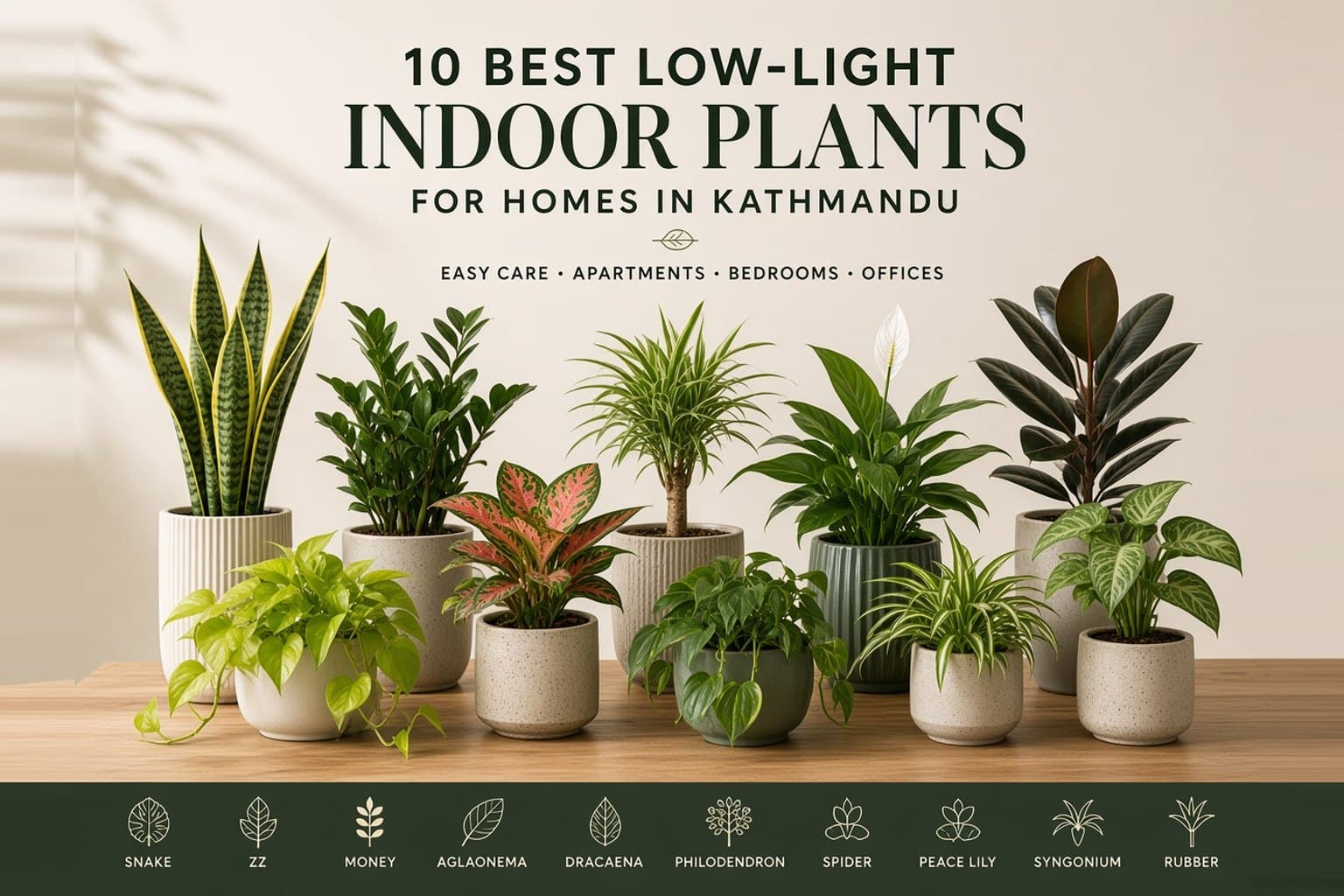
Indoor plants are a simple way to bring nature into a Kathmandu home. An apartment bedroom, a living-room corner, or an office desk can all hold greenery when the plant matches the light in that spot.
Rooms do not share the same daylight. A window bay can be bright for most of the day, while a hallway or a desk against an interior wall may only receive soft, filtered light. Choosing for the light you actually have matters more than choosing a plant that is popular.
This guide covers ten low-light indoor plants that suit homes and workspaces in the valley, with a photo and a short care card for each one.
What low light means
Low light is not darkness. It usually describes a place with limited natural light: a room away from the window, or a spot that only gets daylight through a curtain or from across the room.
Shade-tolerant plants still need light to grow. If a room has no natural light at all, plan for a suitable grow light rather than hoping a plant will manage in the dark.
Before you buy, stand in the spot at midday and notice what you see:
- Soft daylight, but no sunbeams on the leaves: Snake Plant, ZZ Plant, Aglaonema, and Money Plant are comfortable here.
- A bright room with filtered window light: Peace Lily, Spider Plant, Philodendron, Syngonium, Dracaena, and Rubber Plant have a better chance of staying full and healthy.
- No daylight: add a grow light, or choose a different room.
A quick way to choose
Match the plant to the furniture, not only to the trend.
- Busy schedule: Snake Plant, ZZ Plant, or Money Plant
- Shelf, hanging pot, or desk: Money Plant, Philodendron, Spider Plant, or Syngonium
- Bedroom or quiet office corner: Snake Plant, ZZ Plant, or Aglaonema
- Height in an open corner: Dracaena or Rubber Plant
- A softer, flowering look near brighter indirect light: Peace Lily
10 low-light indoor plants for Kathmandu homes
 01
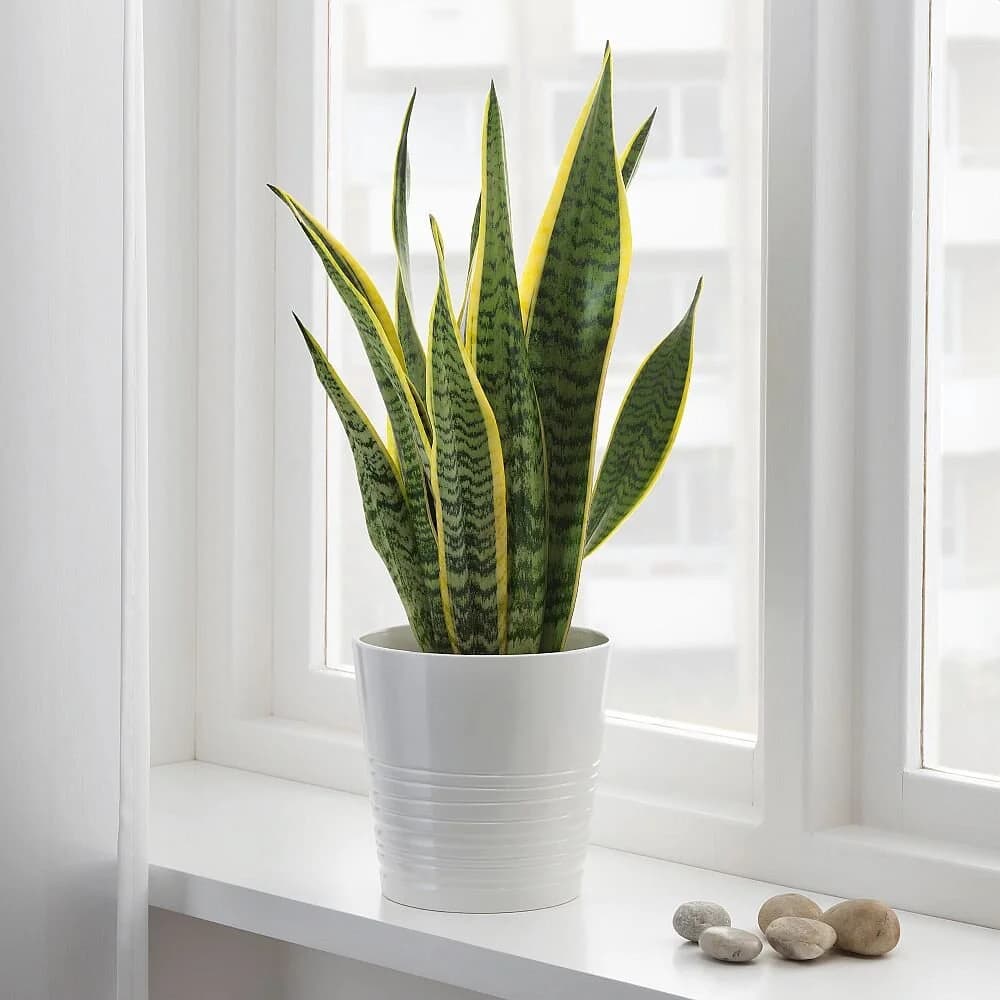
01Snake Plant
Sansevieria trifasciata
The Snake Plant is one of the most practical choices for busy homeowners and beginners. Upright leaves give a clean, modern shape that suits bedrooms, living rooms, and office corners without spreading across the floor.
- Beginner friendly
- Upright shape
- Soft light
- Light
- Indirect light, or a spot that still receives some natural daylight
- Water
- Let the soil dry between waterings. Always use a pot with drainage holes.
- Best for
- Bedrooms, living rooms, and office corners
Styling tip: Stand a tall Snake Plant in a narrow gap beside a sofa or bed, where a bushy plant would feel crowded.
 02
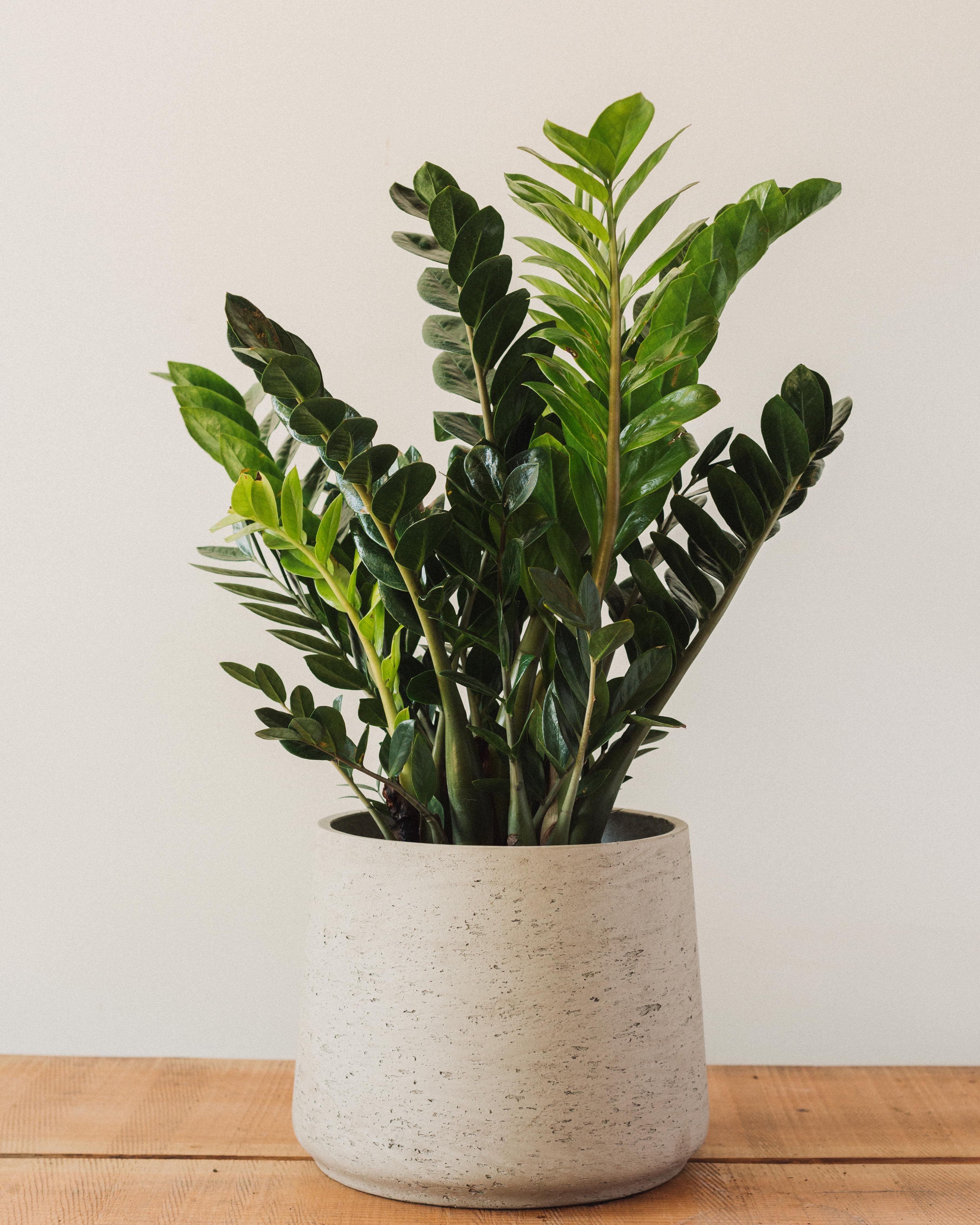
02ZZ Plant
Zamioculcas zamiifolia
Glossy leaves and a naturally neat shape make the ZZ Plant a good choice when you want greenery without a demanding routine. It tolerates lower light and does not need frequent watering.
- Glossy leaves
- Low water
- Office friendly
- Light
- Indirect light, including rooms that stay fairly dim through the day
- Water
- Water only after the potting mix has dried. Constantly wet soil is the main thing to avoid.
- Best for
- Offices, bedrooms, and corners away from a sunny window
Styling tip: Pair one ZZ Plant with a Snake Plant in a hallway for a calm, low-care grouping.
 03
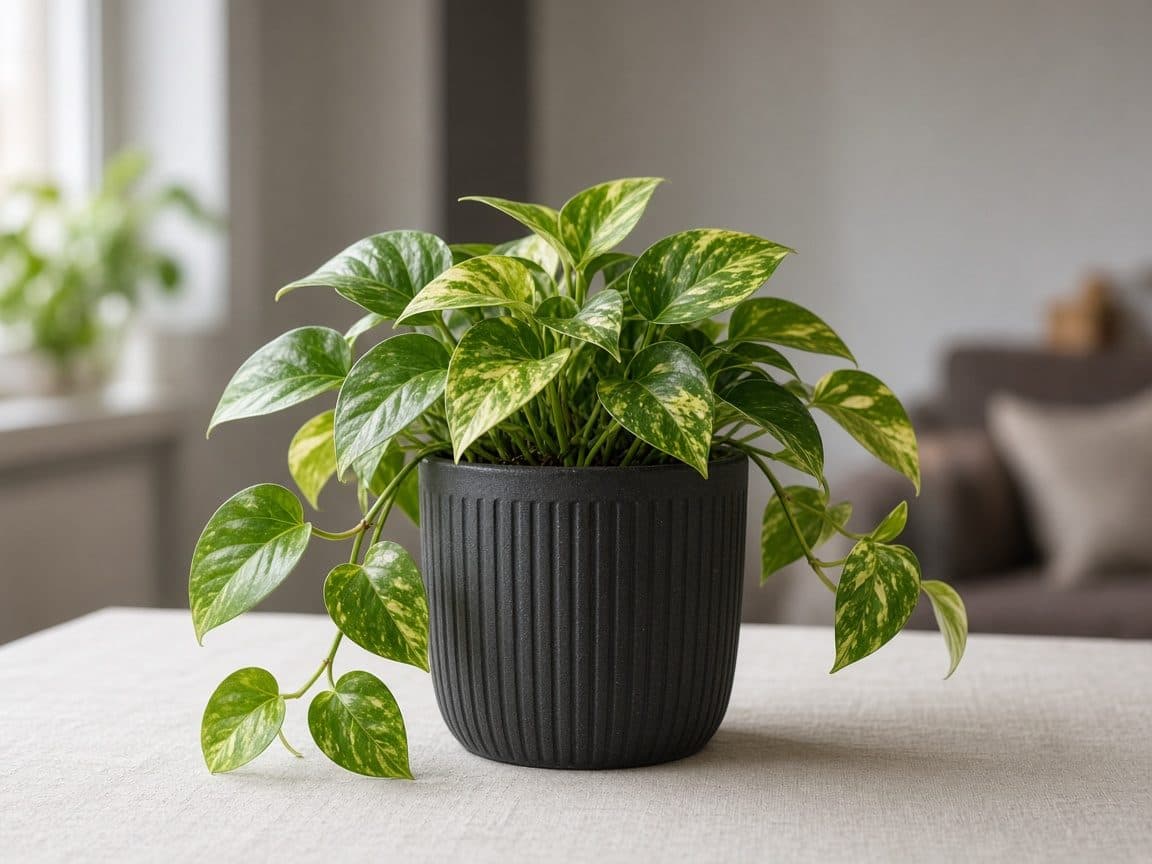
03Money Plant (Pothos)
Epipremnum aureum
Money Plant is a familiar choice for shelves, hanging pots, and indoor corners. Trailing stems soften modern rooms and bring a little movement to a still space. It adapts to a range of indoor light, though brighter indirect light keeps the growth fuller.
- Trailing
- Shelves and hanging pots
- Adaptable
- Light
- Low to bright indirect light. Brighter indirect light supports healthier, denser growth.
- Water
- Water when the upper layer of soil begins to dry.
- Best for
- Shelves, hanging pots, and apartment corners
Styling tip: Trim long stems when you want a tidier shape. The cuttings root easily if you want a second pot later.
 04
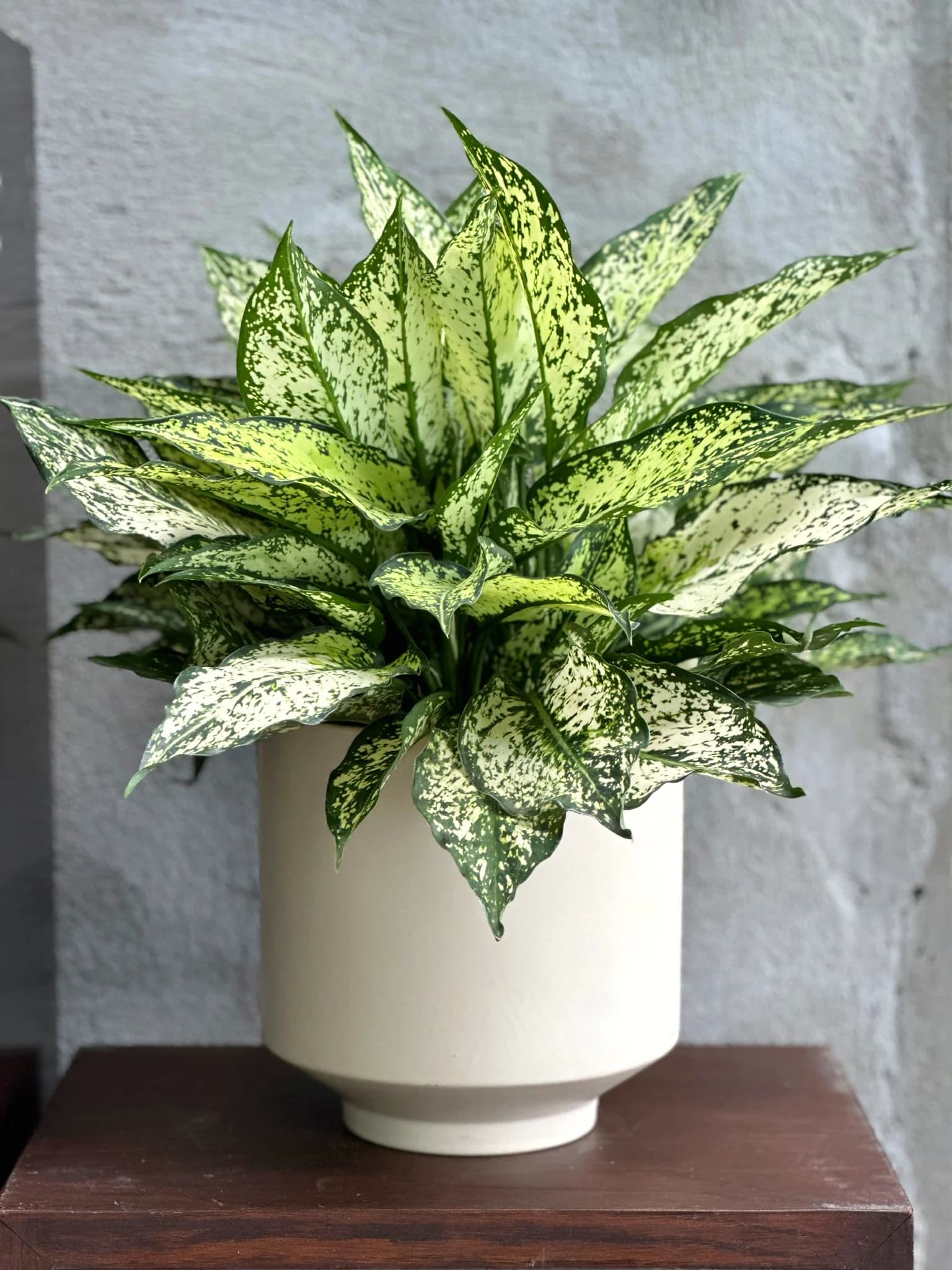
04Aglaonema
Aglaonema spp.
Aglaonema is grown for its foliage. Varieties range from deep green to leaves with silver, cream, or pink patterning, so the plant can carry the color in a room that has few flowers.
- Patterned foliage
- Compact
- Living rooms and bedrooms
- Light
- Indirect light. Keep it out of harsh direct sun, which can fade or scorch the leaves.
- Water
- Water when the top portion of the soil begins to dry.
- Best for
- Living rooms, bedrooms, and covered office spaces
Styling tip: Choose a patterned variety when the room is mostly neutral and you want the leaves to do the decorating.
 05
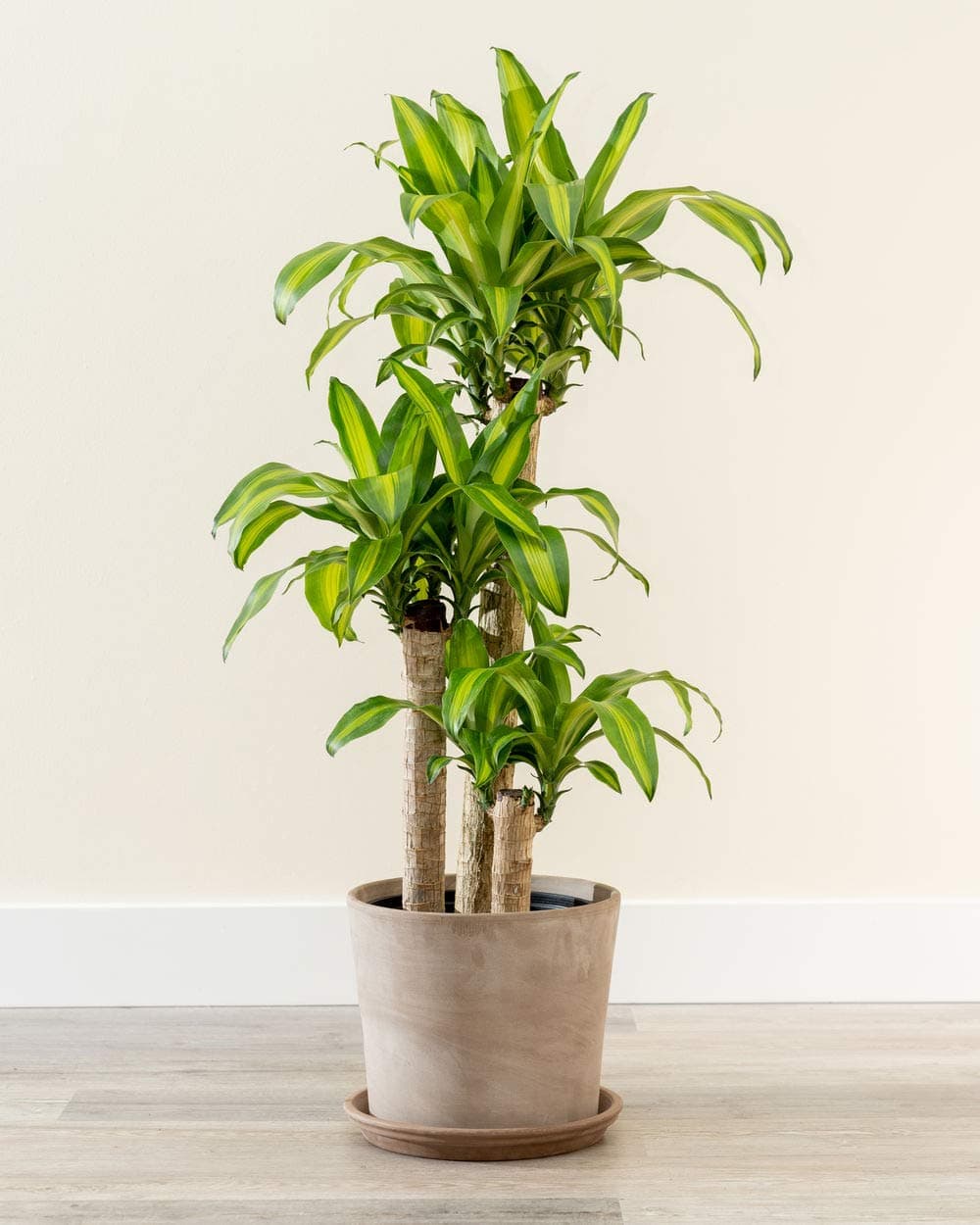
05Dracaena
Dracaena marginata
Dracaena grows upright, which makes it useful in corners and professional interiors. It adds height and structure while using less floor space than a wide, bushy plant.
- Upright
- Slim footprint
- Office corners
- Light
- Indirect light. A spot with steady, filtered daylight is more reliable than a very dark corner.
- Water
- Avoid overwatering. Let the soil dry slightly before you water again.
- Best for
- Corners, reception areas, and living rooms that need height
Styling tip: Keep Dracaena away from cold drafts, especially near a window or door in the cooler months.
 06
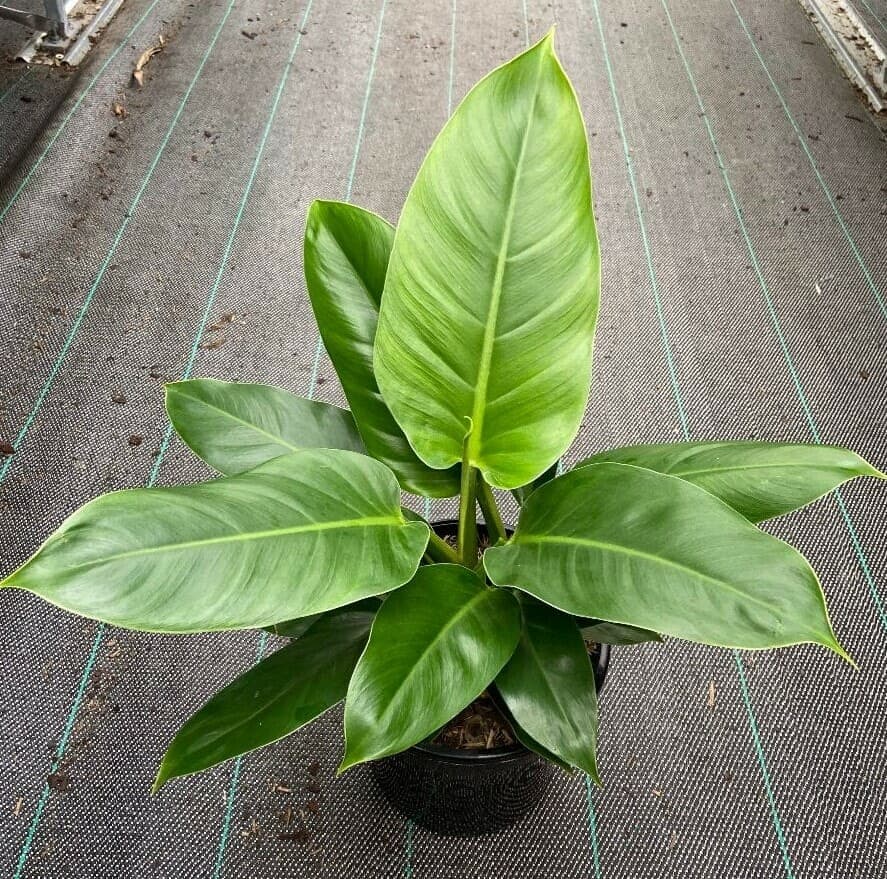
06Philodendron
Philodendron spp.
Philodendrons are valued for attractive leaves and flexible growth. Depending on the variety, the same family can sit on a shelf as a trailing plant or fill a corner as a larger foliage plant.
- Heart-shaped leaves
- Shelves or floor
- Flexible
- Light
- Indirect light
- Water
- Use a well-draining mix and water when the upper layer of soil starts to dry.
- Best for
- Shelves, side tables, and rooms that can hold a larger foliage plant
Styling tip: Let a trailing variety spill over a bookshelf so the leaves read as part of the room, not a single object on a desk.
 07
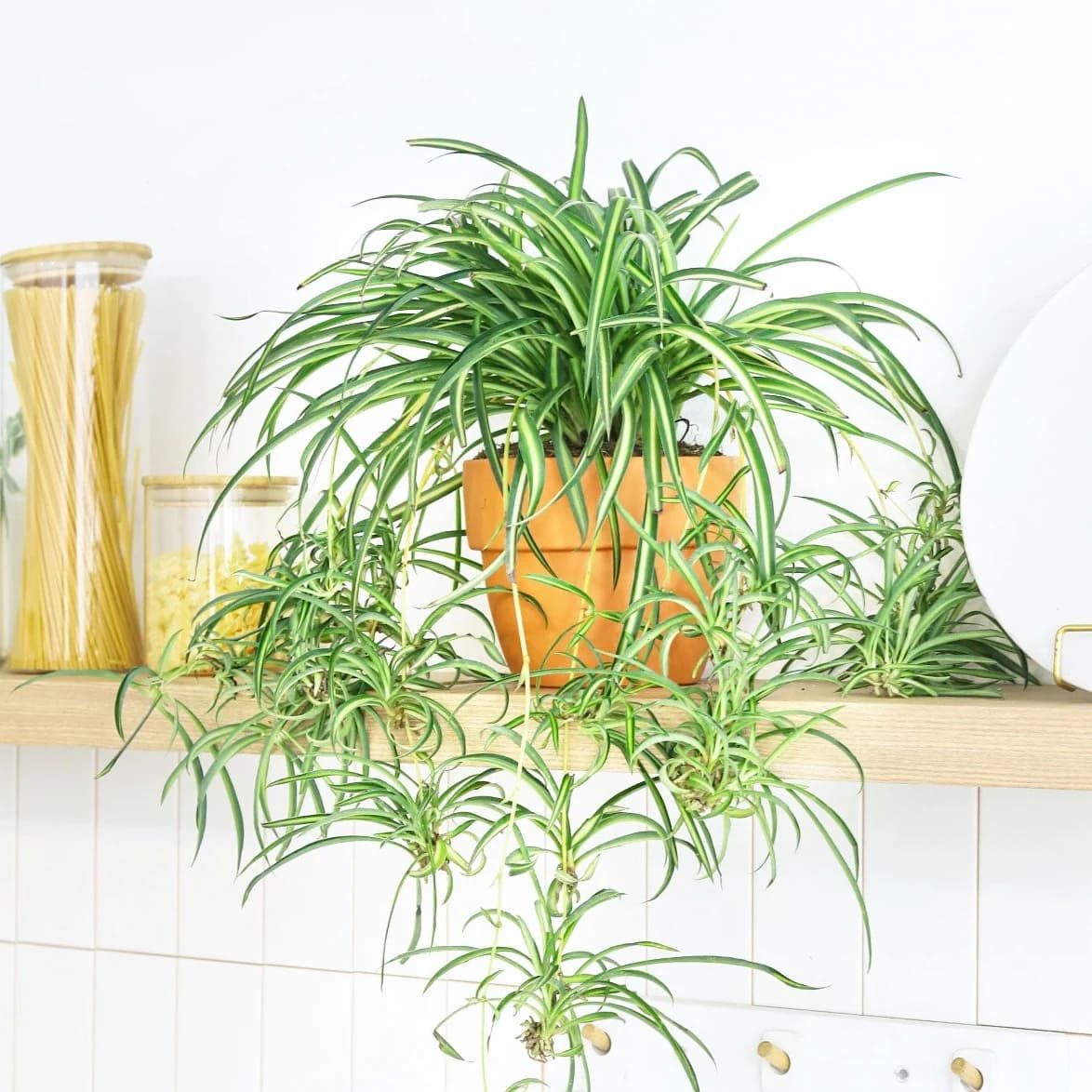
07Spider Plant
Chlorophytum comosum
Arching leaves make the Spider Plant especially pleasing in a hanging basket or on a high shelf. It is a useful beginner plant if you want something lively and cascading rather than a stiff upright shape.
- Cascading
- Beginner friendly
- Hanging baskets
- Light
- Bright indirect light where you can offer it. It stays happier with more light than a Snake Plant or ZZ Plant.
- Water
- Water when the top layer of soil begins to dry.
- Best for
- Hanging baskets, elevated shelves, and bright bedrooms
Styling tip: Hang it where the leaves can arch freely, clear of the wall and of people walking past.
 08
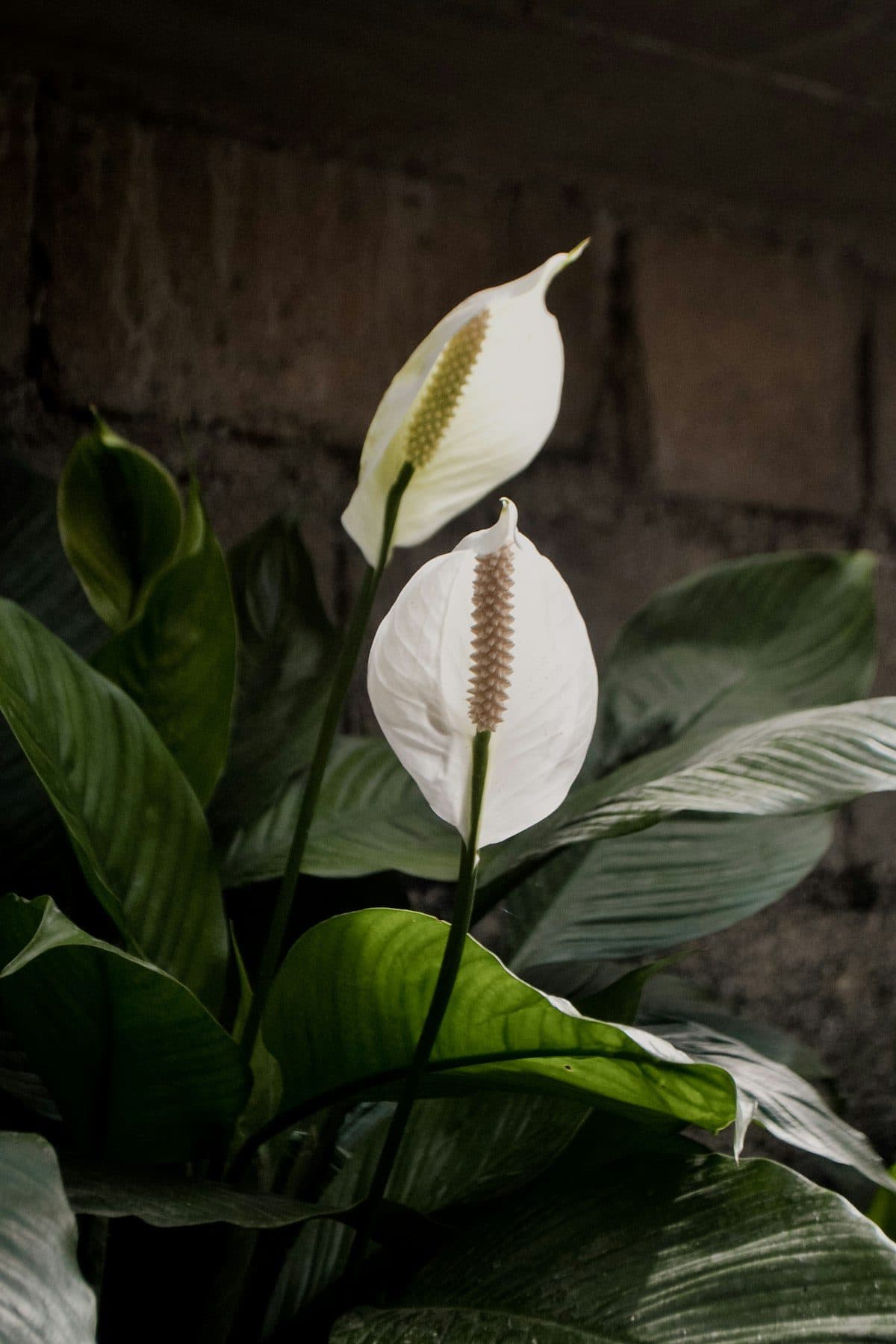
08Peace Lily
Spathiphyllum wallisii
Peace Lily adds a graceful note with deep green leaves and white, flower-like spathes. It prefers bright, indirect light and can cope with somewhat lower light, though flowering usually drops when the light is too weak.
- White spathes
- Deep green leaves
- Brighter indirect light
- Light
- Bright indirect light. Lower light is possible, with fewer flowers.
- Water
- Keep the soil lightly moist. Do not leave the roots standing in water. Check the soil rather than following a rigid schedule.
- Best for
- Living rooms and offices that receive filtered daylight
Styling tip: Place it where you will notice drooping leaves. A Peace Lily often signals thirst clearly, then recovers after a thorough drink.
 09
09Syngonium
Syngonium podophyllum
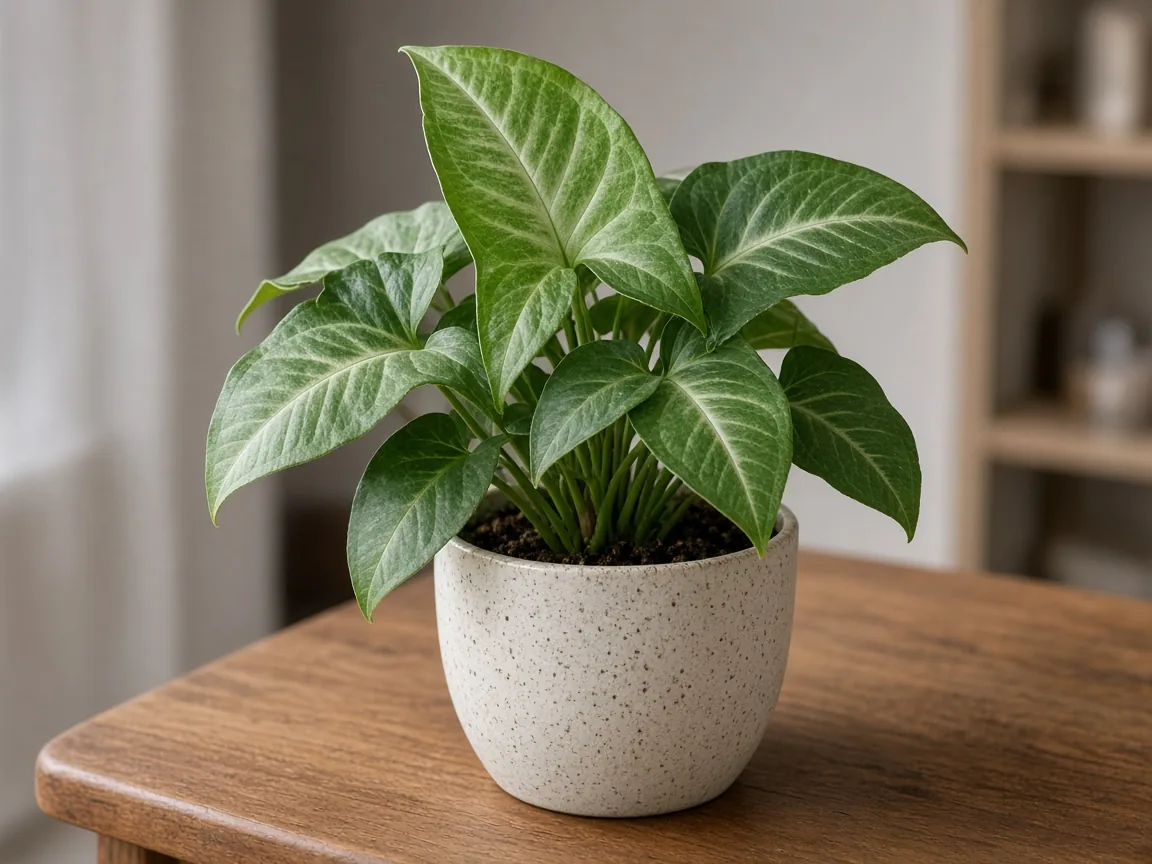
Syngonium, also called Arrowhead Plant, is grown for its arrow-shaped leaves and compact habit. It fits shelves, side tables, and smaller indoor spaces without taking over the room.
- Arrow-shaped leaves
- Compact
- Side tables
- Light
- Indirect light
- Water
- Use well-draining soil and water when the top layer starts to dry.
- Best for
- Shelves, side tables, and smaller apartments
Styling tip: Start it on a side table. As the stems lengthen, you can move it to a shelf and let it trail.
 10
10Rubber Plant
Ficus elastica
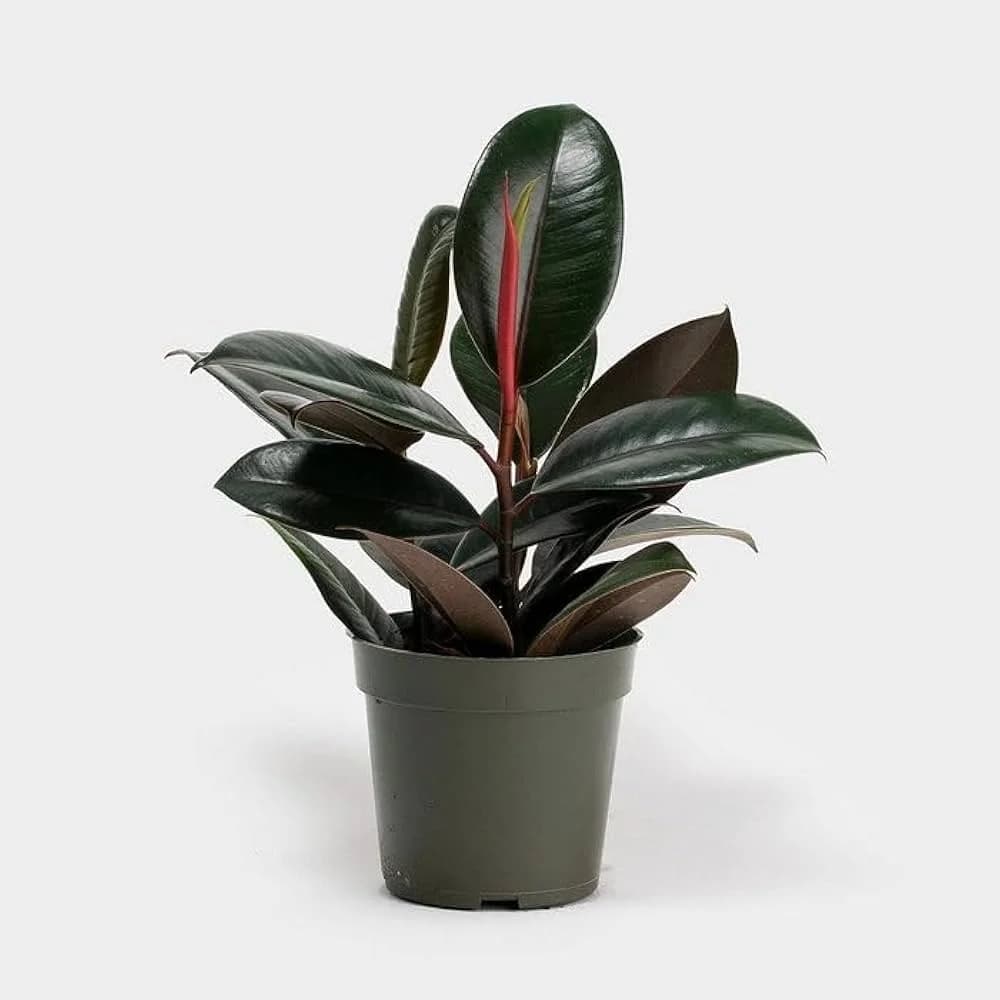
Rubber Plants have bold, glossy leaves that suit living rooms and spacious offices. They generally prefer brighter indirect light than the most shade-tolerant plants on this list, so save them for a room that is bright even if the sun is filtered.
- Glossy leaves
- Statement plant
- Brighter indirect light
- Light
- Bright, filtered light near a window. This is not the plant for the darkest corner.
- Water
- Avoid overwatering. Let the soil dry somewhat between waterings.
- Best for
- Living rooms and offices with a bright window
Styling tip: Rotate the pot occasionally so each side receives light and the plant stays balanced.
How to choose the right plant for your room
Three checks before you bring a plant home:
- Available light. Watch the spot through the day. A plant labelled low-light tolerant still needs light to survive. Placement matters more than the name on the label.
- Space. Compact plants belong on desks and shelves. Taller plants belong in open corners where leaves will not be brushed every time someone walks past.
- Care routine. If your week is already full, start with Snake Plant, ZZ Plant, or Money Plant. Add Peace Lily or Rubber Plant when you can check the soil a little more often and offer brighter indirect light.
Browse indoor plants if you want to compare sizes before you decide.
Common indoor plant care mistakes
Overwatering is the usual reason an indoor plant struggles. Watering too often keeps air out of the root zone and can lead to root rot. A dimmer room dries more slowly than a sunny windowsill, so the same plant may need less water in a bedroom than it would beside a bright window.
Other frequent mistakes:
- Putting a shade-tolerant plant in harsh midday sun
- Using a pot with no drainage hole, or leaving the saucer full of water
- Ignoring early signs of pests on new leaves and stems
- Following one watering day for every plant, in every season
Look at the plant and the soil, then adjust for the season, the room temperature, and how damp the mix still feels. For a fuller watering rhythm, read how often to water indoor plants in Kathmandu.
Frequently asked questions
What does low light mean for an indoor plant?
Low light means a spot with limited natural daylight, such as a room set back from the window or a space with filtered light. It does not mean a dark cupboard. Even tolerant plants need some light to grow.
Which low-light indoor plants are easiest for beginners in Kathmandu?
Snake Plant, ZZ Plant, and Money Plant are the most forgiving places to start. They cope with softer apartment light and do not need frequent watering. Use a pot with drainage and let the soil dry between waterings.
Can these plants live in a room with no window?
A room with no natural light is too dark for long-term growth, even for shade-tolerant plants. Add a suitable grow light, or keep the plant in a room that receives some daylight and move it only for short periods.
How often should I water low-light indoor plants?
Water when the soil asks for it, not on a fixed weekday. Most of these plants prefer the top layer to dry before the next watering. In a dimmer, cooler room, soil stays wet longer, so check with your finger first.
Which of these plants suit a bedroom or office in Kathmandu?
Snake Plant, ZZ Plant, and Aglaonema suit bedrooms and office corners with soft light. Money Plant, Philodendron, and Syngonium fit shelves and desks. Dracaena and Rubber Plant add height where there is a little more floor space and brighter indirect light.
Find indoor plants for your home in Kathmandu
A greener home starts with a plant that fits the space and the time you can give it. Snake Plants and ZZ Plants ask for very little. Money Plants and Aglaonema bring foliage to shelves and bedrooms. Peace Lily, Spider Plant, and Rubber Plant reward a brighter indirect spot.
Explore the indoor plant collection at Milan Nursery for greenery that suits a home, apartment, or office.
Bring home a little greenery and make your space feel more inviting. If you want help matching a plant to a room, send a note and we can suggest a size and variety.